Table of Contents
ECG Test at Home : Ensuring Prompt Cardiac Health Evaluation
Being able to do an ECG test at home can be extremely helpful in life-threatening situations where every second counts. Electrocardiograms (ECGs) are crucial diagnostic instruments that offer perception into the electrical activity of the heart and aid in the identification of anomalies or suspected cardiac problems. Knowing how to do an ECG test at home can be life-saving during crises, even though it’s crucial to consult a medical professional for a comprehensive assessment.

How to Perform an ECG at Home: What You Need to Know
Let’s learn the fundamentals of this test before getting into the step-by-step procedure for doing an ECG exam at home. A heart’s electrical activity is measured by an ECG, which reveals details about the heart’s rhythm, beat, and any potential anomalies. This test can be done in an emergency circumstance when prompt medical assistance is needed with a few basic tools and skills.
The Advantages of Home ECG Monitoring in Emergency
In an emergency, there are various benefits to conducting an ECG test at home. Following are some major advantages:
- Immediate Assessment: Time is of the essence in urgent cases. You can analyze the heart’s activity quickly and make decisions more quickly by doing an ECG test at home.
- Time Saving: Home ECG testing saves important time by giving medical personnel the initial information they need to take action in cases of remote locations or limited access to medical facilities.
- Early Issue Detection: Prompt treatment of probable heart issues can help avoid serious cardiac consequences.
- Mental tranquility: In an emergency, being able to do an ECG at home can give you peace of mind and enable you to act quickly and seek professional assistance.
Safety precautions and precautions
Even if conducting an ECG test at home might be beneficial, several safety precautions and guidelines should be followed:
- Whenever feasible, put getting professional medical help first. Home ECG testing shouldn’t take the place of a legitimate medical assessment.
- Avoid making a diagnosis based simply on the ECG readings. A skilled healthcare expert should be informed of the results for proper interpretation.
- Make sure the ECG equipment you use at home is calibrated and in good working order.
- Instead of conducting an ECG at home, focus on getting the patient prompt medical assistance if they are unconscious or in a critical state.
How to Conduct an ECG Test at Home: A Step-by-Step Guide
Basic tools and a quiet atmosphere are needed to perform an ECG at home. Here’s a how-to list in detail:
Step 1: Compile Your Equipment
You will require the following tools to conduct an ECG at home:
- ECG Machine: Market-available ECG machines are portable and user-friendly and mostly available in physicians clinic, you can call then for home ECG.
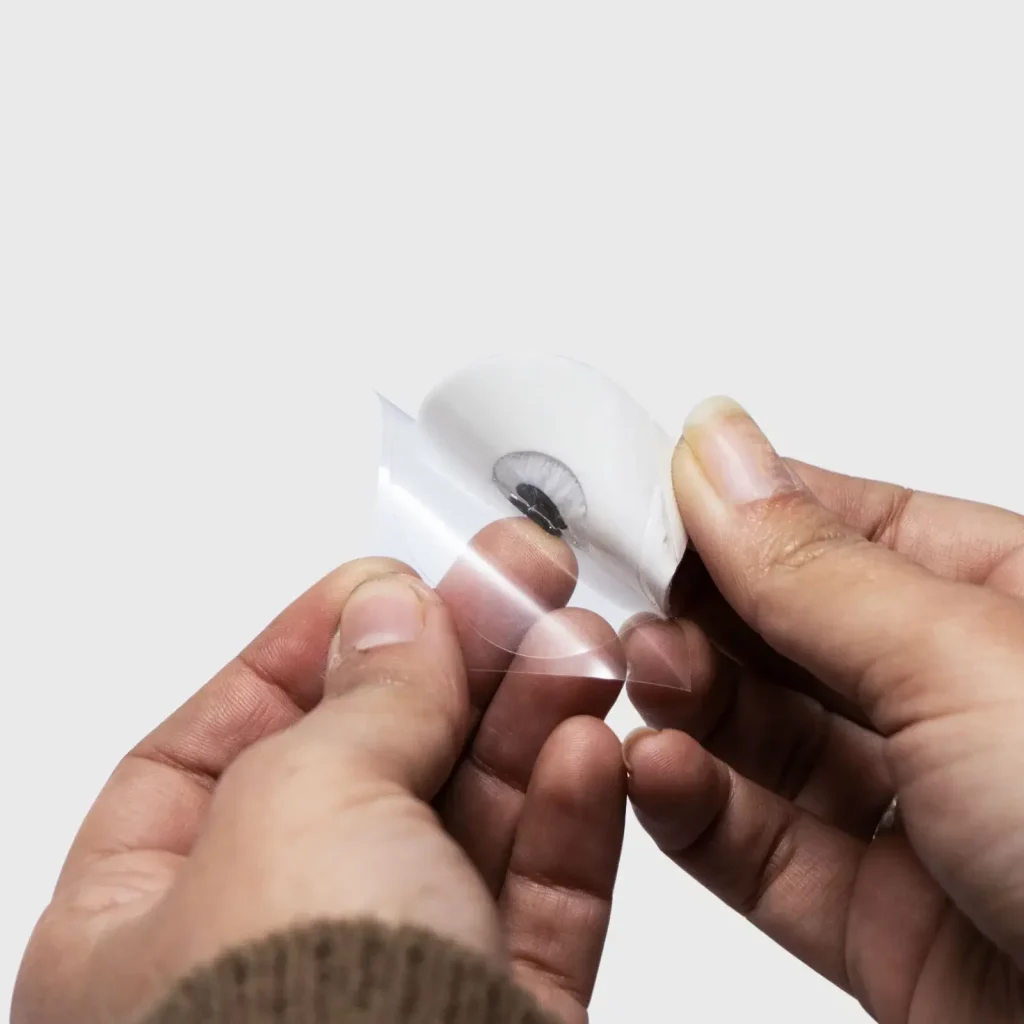
- Electrodes: For optimum skin contact and signal transmission, make sure your electrodes are of excellent quality.
- Skin Preparation: To get reliable readings, clean the skin where the electrodes will be put using alcohol swabs.
Step 2: Set Up the Patient
You should make sure the patient is at ease and lying down comfortably. During the test, try to minimize needless movements.
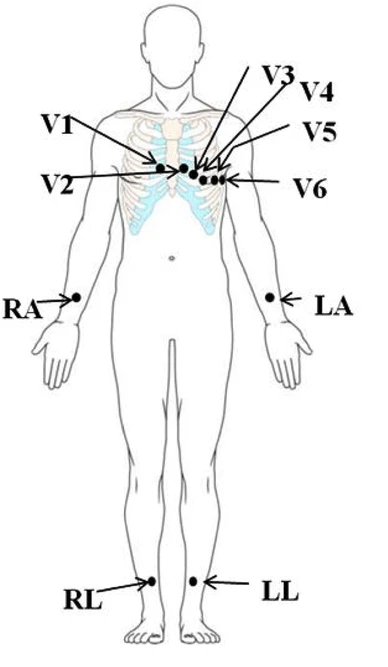
Step 3: Connect the Electrodes
To properly attach the electrodes, follow these steps:
- After carefully following the ECG machine’s diagram, place the electrodes on the patient’s chest.
- Securely fasten the limb electrodes to the wrists and ankles.
- Establish a safe connection between the electrodes and the ECG device.
Step 4: Run the ECG Test
Turn on the ECG equipment and let it run for the necessary amount of time, which is often a few seconds to a minute. Ensure there isn’t any interference while conducting the test.
Step 5: Interpret the Results
The device will display a graphic depiction of the heart’s electrical activity following the ECG exam. Keep an eye out for any alterations or deviations from the pattern. Share ECG Printout with Physician for right interpretation.
Conclusion
Knowing how to do an ECG test at home might be a useful skill in emergency situations. In time-sensitive situations, it can offer vital information, even though it cannot take the place of a professional medical evaluation. Never hesitate to get quick medical help when you need it. You may help ensure timely cardiac health assessment and perhaps save lives by acting quickly and cooperating with medical personnel.
FAQs
Q: I don’t have any medical expertise; can I conduct an ECG Test at Home?
A: With the correct tools and instructions, you may successfully complete a simple ECG exam at home. For a thorough assessment, however, always seek the advice of a medical professional. Its is advised to record ECG by ECG Technicians only.
Q: How reliable are personal ECG devices?
A: For simple evaluations, portable ECG devices are typically accurate. Consult a medical professional, nevertheless, for a thorough analysis.
Q: What are the indications that I should do an ECG test at home in case of an emergency?
A: Making an ECG at home can give medical responders crucial information if someone develops abrupt chest pain, breathing trouble, or loss of consciousness.
Q: Can home ECG tests take the place of a doctor’s appointment?
A: Home ECG testing cannot replace medical examinations; rather, they are a supplement to them. For a thorough evaluation, always seek professional medical guidance.
Q: Can I tell my doctor about the results of my home ECG?
A: Absolutely! For an accurate diagnosis and a customized treatment plan, discuss the ECG test results with your doctor.
Q: Are there any age restrictions for ECG testing at home?
A: People of all ages can perform home ECG tests. But certain circumstances can call for specialized gear or professional aid.